
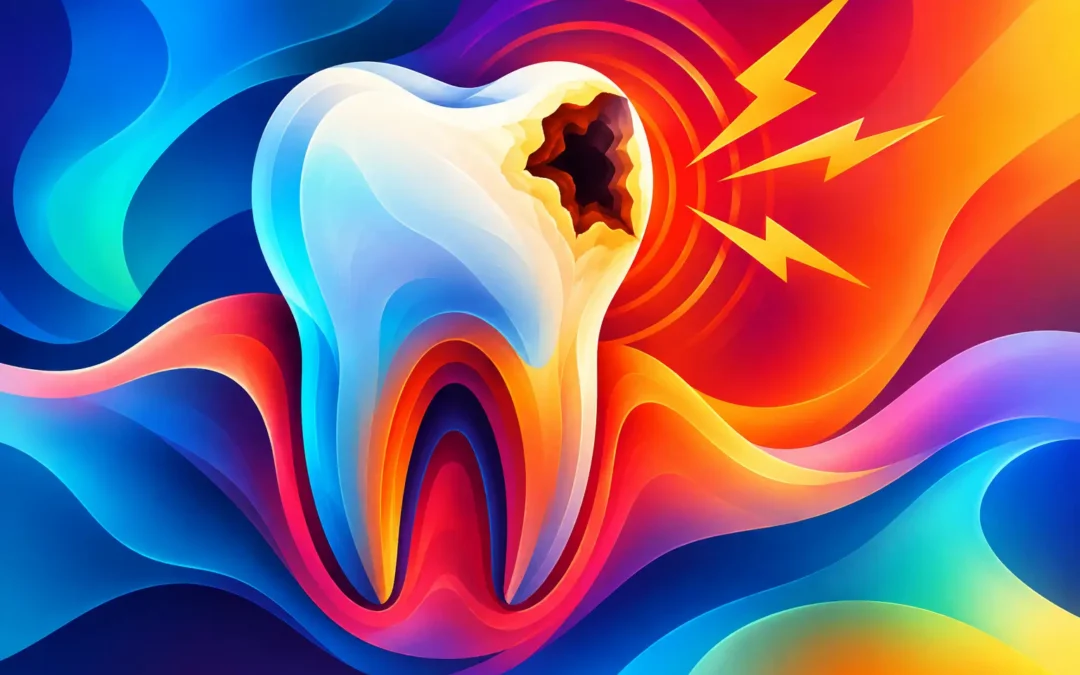
A tooth can feel completely normal for months, then suddenly hurt when you sip cold water or bite into lunch. Can cavities cause tooth pain? Yes. A cavity is a common reason for a toothache, but pain can also signal that decay has progressed or that another dental problem needs attention.
The good news is that tooth pain does not automatically mean you need major treatment. The right care depends on how far the decay has reached and what is happening inside the tooth. A dental exam can identify the cause, explain your options clearly, and help you feel more comfortable before the problem becomes harder to treat.
How cavities can cause tooth pain
Cavities form when bacteria in plaque use sugars from food and drinks to produce acids. Over time, those acids wear away the protective outer layer of a tooth, called enamel. Early decay may not hurt at all because enamel has no nerves.
As a cavity becomes deeper, it can reach the dentin, the softer layer beneath the enamel. Dentin has tiny pathways that connect toward the center of the tooth. Once decay reaches this layer, cold drinks, sweets, hot foods, or brushing may cause a quick, sharp sensation.
If decay continues into the pulp, where the tooth’s nerve and blood supply are located, pain can become stronger or more persistent. At that point, the nerve may be inflamed or infected. Some people feel a throbbing ache, pain that wakes them up, or discomfort that lingers long after a hot or cold drink is gone.
Every toothache is different. A small cavity can be sensitive, while a larger cavity may not hurt yet. Pain is a reason to schedule a visit, but the absence of pain is not proof that a cavity is harmless.
What cavity pain can feel like
Tooth pain from a cavity is not always a constant ache. It may begin as a brief reaction to something specific and become more noticeable over time. You might feel sensitivity when eating candy, drinking something cold, or breathing in cold air. You may also notice pain when chewing, especially if food packs into a damaged area of the tooth.
A lingering reaction to heat or cold is more concerning than a quick twinge. So is pain that seems to come on by itself, without eating or drinking. These symptoms can suggest that the inner part of the tooth is irritated and should be evaluated soon.
Sometimes the pain seems to be coming from one tooth but is difficult to pinpoint. Nerves in the jaw can make discomfort feel like it is spreading into a nearby tooth, the ear, or the side of the face. An exam and X-rays can help identify the actual source.
Can cavities cause tooth pain when chewing?
Yes, cavities can cause tooth pain when chewing, particularly when decay has weakened part of the tooth. Pressure from biting can irritate sensitive dentin, expose an area of decay, or cause a thin section of tooth structure to flex.
Chewing pain can also happen when a cavity has led to a crack, when a filling is worn or damaged, or when infection is developing around the root. That is why it is best not to assume the issue will settle down on its own. Avoid chewing on the painful side if possible and arrange a dental appointment.
Other problems that can feel like a cavity
Not every painful tooth has a cavity. Gum inflammation, a cracked tooth, a loose or broken filling, teeth grinding, and food stuck between teeth can all cause discomfort. Sinus pressure can sometimes create pain in the upper back teeth as well.
This is one reason home remedies should not replace an exam. Rinsing gently with warm salt water and using an over-the-counter pain reliever as directed may offer temporary comfort for some people. However, these steps do not remove decay, repair a crack, or treat an infection.
Do not place aspirin directly on a tooth or gum tissue. It can burn the gums and will not treat the cause of the pain. If a tooth is sensitive, it is also wise to avoid very hot, very cold, or sugary foods until you can be seen.
Why treating a cavity early matters
A small cavity can often be repaired with a filling. This removes the decayed material and restores the tooth so you can chew comfortably again. Prompt treatment usually preserves more of your natural tooth and is often simpler than waiting until pain becomes severe.
When decay reaches the pulp, a root canal may be needed to remove infected tissue from inside the tooth. A crown may then be recommended to protect a tooth that has lost significant structure. If a tooth cannot be saved, an extraction may be the healthiest option. The treatment plan depends on the condition of the tooth, not just the level of pain.
Waiting can allow decay to spread, which may increase discomfort and limit treatment choices. Cost concerns, dental anxiety, and a busy family schedule are real barriers for many people. Still, an initial exam is a practical first step. It gives you clear information about what is urgent, what can be planned, and how to move forward.
When tooth pain needs urgent care
Call a dental office promptly if you have a toothache that lasts more than a day or two, keeps returning, or interferes with sleep, eating, or normal activities. Pain after a filling or crown should also be checked if it is worsening rather than improving.
Seek urgent dental care for swelling in the gums, jaw, or face; a fever; pus or a bad taste in the mouth; trouble opening your mouth; or a broken tooth with significant pain. These can be signs of infection or injury that need timely attention.
If facial swelling makes it hard to breathe or swallow, seek emergency medical care right away. Dental infections can become serious when they spread beyond the tooth.
Preventing future cavity pain
Prevention is not about having a perfect routine. Small, consistent habits make a meaningful difference. Brush twice a day with fluoride toothpaste, clean between teeth daily, and keep regular dental checkups and cleanings. Fluoride helps strengthen enamel, while professional exams can find areas of decay before they begin to hurt.
Frequent sipping on soda, sweet tea, sports drinks, or juice can expose teeth to acids and sugars throughout the day. Choosing water between meals and limiting how often sugary snacks or drinks are consumed can help lower cavity risk. If you have dry mouth, take medications that affect saliva, or have had cavities before, ask your dental team about added prevention options.
At Sooner Dental Care, patients and families can receive straightforward guidance and treatment based on their needs, whether the next step is a filling, crown, root canal, or simply a preventive visit. Tooth pain can be unsettling, but getting answers early can protect your comfort, your budget, and your natural smile.