
A broken tooth can happen in one quick bite, a fall, or an unexpected accident. Even a small chip can leave a sharp edge that irritates your tongue, while a larger break may expose the sensitive inner part of the tooth and cause significant pain. Knowing how to manage a broken tooth right away can protect your mouth, reduce discomfort, and help your dentist preserve as much of the tooth as possible.
The first goal is simple: keep the area clean, avoid making the damage worse, and arrange a dental visit promptly. A broken tooth rarely heals on its own, but timely care can often prevent a more complicated problem.
How to Manage a Broken Tooth at Home
Start by rinsing your mouth gently with warm water. This helps clear away food particles, blood, or small pieces of tooth without putting extra pressure on the area. If you can find a broken piece of the tooth, save it. Place it in a clean container with milk or saliva and bring it to your appointment. In some cases, your dentist may be able to use the piece during treatment.
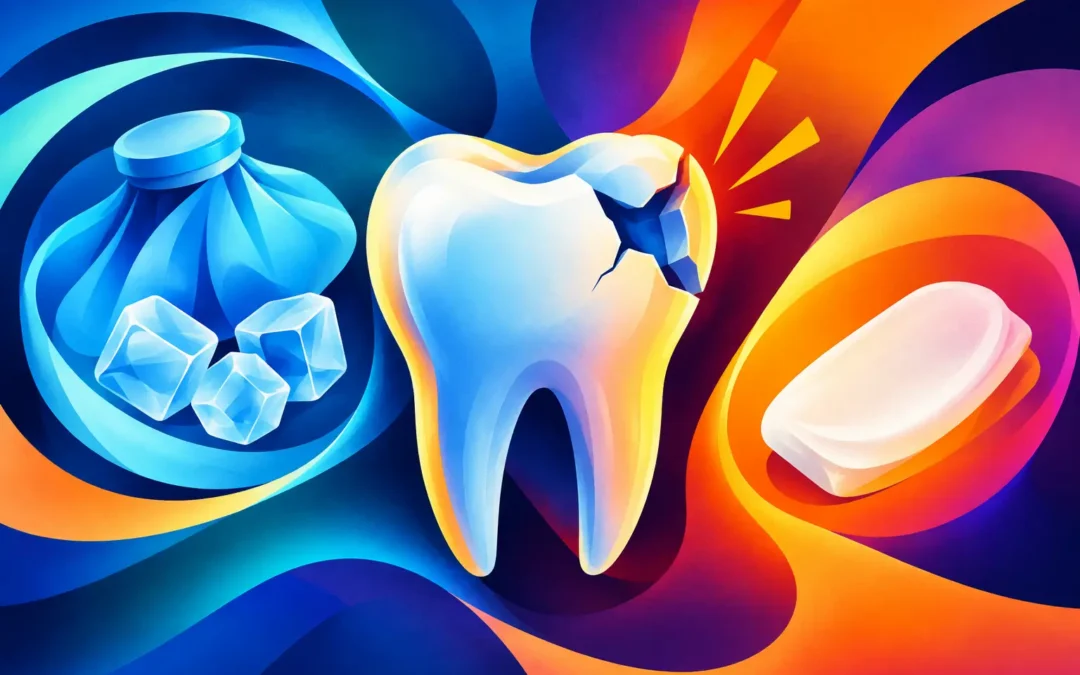
If there is bleeding from your gums, lip, or cheek, hold clean gauze against the area with gentle pressure. A cold compress on the outside of your cheek can help limit swelling and ease soreness. Apply it for short periods at a time, with a cloth between the cold pack and your skin.
Pain from a broken tooth can range from mild sensitivity to a deep, throbbing ache. An over-the-counter pain reliever may help when used according to the label directions and your medical provider’s guidance. Do not place aspirin directly on the tooth or gums. It can irritate and burn soft tissue.
Until you are seen, chew on the opposite side of your mouth. Choose softer foods such as yogurt, eggs, soup, mashed potatoes, or applesauce, and avoid hard, crunchy, sticky, and very hot or cold foods. Temperature sensitivity can be a sign that the break is close to the tooth’s nerve.
Cover Sharp Edges and Protect the Tooth
A chipped tooth can feel small but still cause a painful cut on your tongue or cheek. If a sharp edge is rubbing the inside of your mouth, dental wax from a pharmacy can provide a temporary cushion. If you do not have dental wax, a small piece of sugar-free chewing gum may work briefly as a cover.
This is only a short-term measure. Do not use household glue, nail adhesive, or a temporary repair product in a way that is not specifically intended for dental use. These materials can introduce harmful chemicals, trap bacteria, or make a professional repair harder.
Keep brushing, but be gentle around the damaged tooth. Use a soft-bristled toothbrush and take care not to force floss down between teeth if it catches on a rough or broken edge. Cleanliness matters because bacteria can enter cracks and cavities more easily after a tooth breaks.
When a Broken Tooth Needs Urgent Care
Every broken tooth deserves a call to a dental office, even when it does not hurt. A crack can extend below the gumline or into the inner tooth without being obvious from the outside. Early treatment may mean a simple filling or crown instead of a root canal or extraction.
Seek urgent dental care as soon as possible if you have severe or persistent pain, facial swelling, fever, bleeding that does not stop, a loose tooth, or trouble opening your mouth. You should also seek immediate help if the injury involved a blow to the face, jaw pain, dizziness, or a possible concussion.
Go to an emergency room if swelling affects breathing or swallowing, if you have uncontrolled bleeding, or if a serious facial injury is involved. An emergency room can help address immediate medical concerns, but a dentist is still needed to evaluate and restore the tooth.
For parents, a child’s broken tooth can be especially stressful. Stay calm, rinse the child’s mouth with water, and look for any tooth fragments. If a baby tooth is broken or knocked loose, do not try to push it back into place. Call a dentist for guidance. If a permanent tooth has been completely knocked out, handle it by the crown, not the root, and seek urgent dental care right away.
What Your Dentist May Recommend
The right treatment depends on how much tooth structure is missing, where the break occurred, whether the nerve is affected, and the condition of the surrounding gums and bone. An examination and X-rays help show damage that cannot be seen just by looking at the tooth.
For a minor chip, your dentist may smooth the edge or repair it with tooth-colored bonding material. A larger break may need a filling or a crown to restore the tooth’s strength and shape. Crowns are often recommended when a tooth has lost enough structure that a filling alone may not hold up under everyday chewing.
If the crack or break reaches the pulp, the center of the tooth that contains nerves and blood vessels, root canal treatment may be needed. This removes infection or damaged tissue inside the tooth while allowing the tooth to remain in place. A crown is often placed afterward for protection.
Sometimes a tooth is broken too far below the gumline or has a split root that cannot be repaired predictably. In that situation, extraction may be the healthiest option. While nobody wants to lose a tooth, removing a severely damaged tooth can stop pain and infection. Your dental team can explain replacement options and help you plan the next step at a pace that works for your needs.
Do Not Wait for Pain to Get Worse
One of the most common reasons people delay treatment is that the pain comes and goes. A broken tooth may feel fine for a few days, especially if the nerve is not exposed. That does not mean the problem has resolved. Bacteria can enter through the fracture over time, leading to infection, swelling, and a more involved repair.
Cost concerns can also make it tempting to wait. However, treating a small fracture early is often less complex than treating an infected or deeply fractured tooth later. Ask the dental office about your insurance, SoonerCare eligibility, payment questions, and what to expect at the visit. Clear information can make it easier to move forward without added stress.
At Sooner Dental Care, patients can expect a careful examination, straightforward treatment recommendations, and a focus on comfort. Whether the solution is a small repair, a crown, root canal treatment, or an extraction, the goal is to relieve discomfort and protect your long-term oral health.
A broken tooth is unsettling, but you do not have to guess your way through it. Protect the area, avoid chewing on it, and make the call for dental care. Getting answers early can turn a painful surprise into a manageable next step.