
A tooth can be damaged long before it becomes painful. A large old filling may start to weaken the tooth around it, a crack may deepen when you chew, or decay may quietly reach the inner layers of the tooth. If you are wondering when do you need a dental crown, the answer usually comes down to one goal: protecting a tooth that is no longer strong enough to do its job safely on its own.
A dental crown is a custom cover that fits over the visible portion of a tooth. It restores the tooth’s shape, strength, and function while helping prevent additional damage. Crowns are common restorative treatments, but they are not the right answer for every cavity or every chipped tooth. A dental exam and X-rays help determine whether a filling, crown, root canal, or another treatment is the most appropriate choice.
What a Dental Crown Does
Think of a crown as a protective shell for a weakened tooth. It is shaped to match your bite and can be made from materials selected for strength and a natural appearance. Once it is placed, you should be able to chew, speak, and care for the tooth normally.
The purpose is not simply to make a tooth look better. A crown can hold together a tooth that might otherwise crack, break, or need to be removed. Saving a natural tooth whenever possible is usually better for your bite, comfort, and long-term oral health.
When Do You Need a Dental Crown?
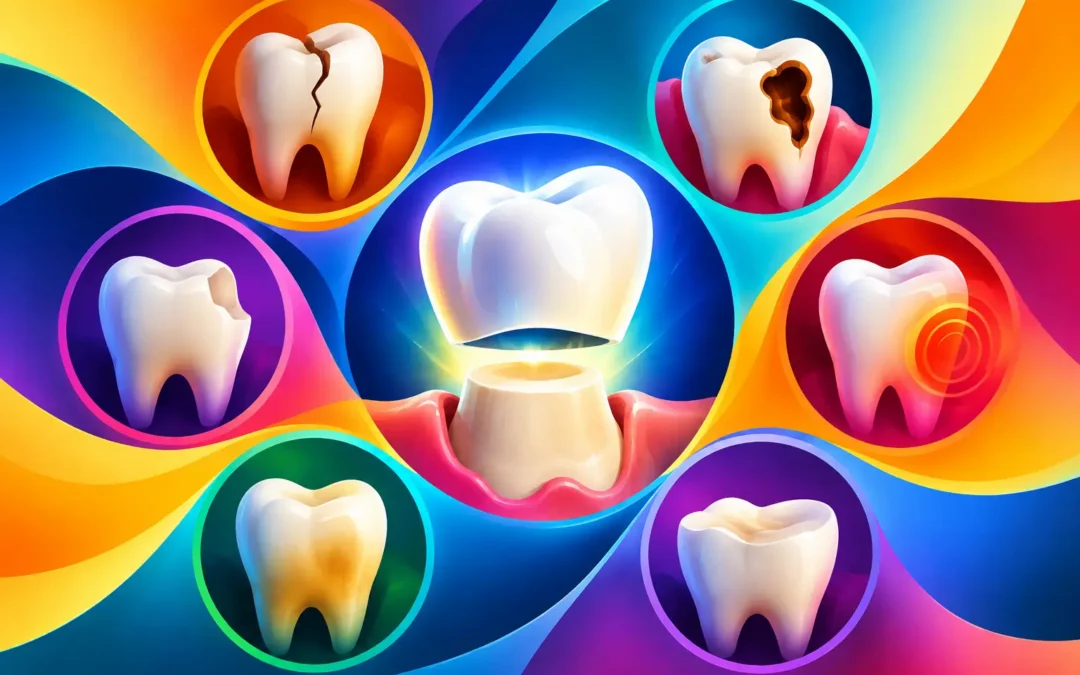
Your dentist may recommend a crown when the remaining tooth structure cannot reliably support a filling. Here are seven common situations where a crown may be needed.
1. You Have a Large Cavity or Failing Filling
Small areas of decay can often be treated with a filling. However, when decay is extensive, there may not be enough healthy tooth left for a filling to stay secure. The same can happen with a large, older filling that has worn down, cracked, or allowed new decay to form around its edges.
A crown covers the weakened tooth and spreads biting pressure more evenly. This can reduce the risk of the remaining tooth breaking while you eat.
2. Your Tooth Is Cracked or Fractured
A crack does not always look dramatic. Some people notice a sharp pain when biting down, discomfort when releasing their bite, or sensitivity that comes and goes. Others see a chipped edge or feel a rough spot with their tongue.
A crown can often protect a cracked tooth by holding it together. The sooner a crack is evaluated, the better. If it extends too far below the gumline or into the root, the tooth may become much harder to save.
3. You Have Had a Root Canal
After a root canal, a tooth can become more brittle because much of its internal tissue has been removed and it may already have lost substantial structure from decay or prior treatment. Back teeth, especially molars and premolars, take heavy chewing forces every day.
For that reason, a crown is frequently recommended after a root canal to protect the treated tooth from fracture. The timing depends on your individual treatment plan, but delaying a recommended crown for too long can leave the tooth vulnerable.
4. A Tooth Is Worn Down
Teeth can wear down over time from grinding, clenching, an uneven bite, acid exposure, or everyday use. Worn teeth may look shorter, flatter, or more yellow as the outer enamel thins. They can also become sensitive or make chewing uncomfortable.
In some cases, a crown restores the tooth’s height and shape. If grinding or clenching is part of the problem, your dentist may also discuss a nightguard to help protect your teeth and your new restoration.
5. You Have a Broken Cusp or Missing Piece of Tooth
The pointed or raised parts of a back tooth are called cusps. A cusp can break off after biting something hard, chewing on an already weakened tooth, or simply from years of pressure on a large filling. Depending on the size and location of the break, a filling may not provide enough support.
A crown may be the more dependable option because it protects the entire chewing surface rather than repairing only the missing area.
6. A Tooth Has Severe Discoloration or an Irregular Shape
Crowns are sometimes used when a tooth has significant discoloration that does not respond well to whitening, or when its shape makes it difficult to restore with a simpler treatment. This may happen after an injury, extensive decay, or certain developmental conditions.
Cosmetic concerns alone do not always mean a crown is necessary. Because a crown requires reshaping the tooth, your dentist will consider more conservative options when they can provide a healthy, lasting result.
7. You Need Support for a Dental Bridge
A traditional dental bridge replaces a missing tooth by attaching an artificial tooth to crowns on the teeth beside the gap. In this situation, the crowns serve as anchors for the bridge.
Not every missing tooth is treated this way. The right option depends on the health of nearby teeth, your bite, bone support, and your preferences. A clear treatment plan can help you understand the benefits and trade-offs before you decide.
Signs You Should Schedule an Exam Soon
You do not need to diagnose the problem yourself. Still, certain symptoms are good reasons to call a dentist instead of waiting for your next routine visit. These include pain when biting, lingering sensitivity to hot or cold foods, a tooth that feels rough or broken, swelling near a tooth, or a filling that has fallen out.
A dark spot, visible crack, or repeated food trapping around one tooth also deserves attention. Dental problems rarely improve without treatment, and early care can sometimes make a simpler repair possible.
Severe swelling, fever, trouble swallowing, or difficulty breathing needs urgent medical attention. For tooth pain or a broken tooth that is not life-threatening, contact a dental office promptly for guidance and an appointment.
What Happens During Crown Treatment?
The process starts with an exam. Your dentist evaluates the tooth, gums, bite, and X-rays to see whether a crown is appropriate and whether other treatment, such as a root canal, is needed first.
To prepare the tooth, the dentist gently removes decay or old filling material and shapes the tooth so the crown can fit securely. If a large portion of the tooth is missing, the dentist may rebuild the foundation first. An impression or digital scan is then used to create a crown that fits your tooth and bite.
Many crowns are completed in two visits, with a temporary crown placed while the final one is made. Some offices and cases may allow for same-day treatment. At the final visit, the dentist checks the fit and bite before permanently placing the crown.
Local anesthetic is commonly used during preparation to keep you comfortable. If dental visits make you anxious, tell your care team before treatment begins. Comfort-focused options and clear explanations can make the process feel much more manageable.
How Long Does a Dental Crown Last?
A well-cared-for crown can last for many years, but it is not indestructible. Its lifespan depends on the crown material, the health of the tooth underneath, your bite, and habits such as chewing ice, biting nails, or grinding your teeth.
Brush twice daily, clean between your teeth every day, and continue regular dental checkups and cleanings. The edge where the crown meets the tooth can still develop decay, so good home care matters just as much after crown treatment as it did before.
If your crown feels loose, cracks, causes pain, or suddenly feels too high when you bite, schedule a visit. Small concerns are usually easier to address before they become a larger problem.
Getting Care Before a Small Problem Grows
Cost concerns, busy schedules, and dental anxiety can all make it tempting to wait. But a painful or damaged tooth often becomes more complicated and more expensive when treatment is delayed. At Sooner Dental Care, the focus is on helping Tulsa families understand their options, feel comfortable in the chair, and make a practical plan for restoring their oral health.
If a tooth is sensitive, cracked, heavily filled, or painful when you chew, an exam can provide answers without pressure. Taking that first step may be what keeps a damaged tooth strong enough to serve you for years to come.