
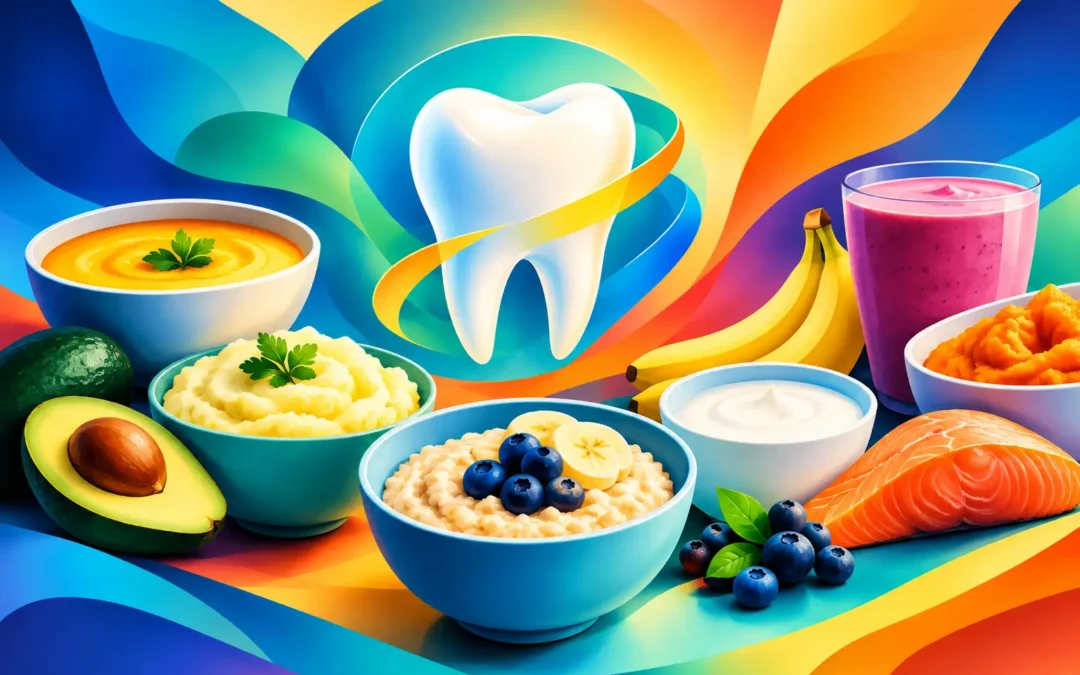
The best foods after tooth extraction are soft, nourishing, and easy to eat without disturbing the blood clot protecting the area. For the first few days, your meals should support healing without requiring hard chewing, wide opening, or suction. A little planning can make recovery more comfortable, whether you had one tooth removed or a more involved surgical extraction.
Why Food Choices Matter After an Extraction
After a tooth is removed, a blood clot forms in the socket. This clot is a normal and necessary part of healing. It protects the bone and nerves below while new tissue develops. Crunchy foods, hard chewing, and sucking through a straw can dislodge it, increasing the risk of dry socket, a painful condition that needs dental attention.
The right foods also help you stay hydrated and get enough protein, vitamins, and calories while your mouth is sore. You do not need to eat perfectly after an extraction. The goal is to choose foods that feel comfortable, avoid irritating the area, and follow the specific instructions your dentist gives you.
10 Best Foods After Tooth Extraction
1. Applesauce
Smooth applesauce is gentle, easy to swallow, and available in individual cups for a simple recovery-day option. Choose unsweetened applesauce when possible. Avoid apple chunks or anything with added seeds.
2. Yogurt
Plain or flavored yogurt can provide protein and calcium without much chewing. Greek yogurt offers more protein, which can be helpful if your appetite is low. Skip yogurt with granola, nuts, candy pieces, or fruit seeds that could get caught near the extraction site.
3. Mashed Potatoes
Mashed potatoes are filling, familiar, and easy to adjust to your comfort level. Let them cool to warm or room temperature before eating. Very hot foods can irritate the surgical area and may make bleeding more likely on the first day.
4. Scrambled Eggs
Soft scrambled eggs are one of the best higher-protein choices once you feel ready for more than liquids. Cook them gently so they stay soft, not browned or crispy. Take small bites and chew on the opposite side of your mouth when possible.
5. Smooth Soups
Broth, blended vegetable soup, and creamy soups can be comforting when chewing feels difficult. Soup should be warm, not hot. Avoid soups with rice, corn, tough meat, noodles, or small pieces that can settle into the extraction area during the first few days.
6. Oatmeal or Cream of Wheat
Once the numbness has worn off and you can eat comfortably, soft oatmeal or cream of wheat can be a satisfying breakfast. Prepare it with extra liquid for a smoother texture. Let it cool before eating, and avoid toppings such as nuts, coconut, or berries with tiny seeds.
7. Cottage Cheese
Cottage cheese is soft and a convenient source of protein. Its texture works well for many patients after a simple extraction, though some people may prefer smoother foods for the first day. If the curds feel uncomfortable, wait another day and choose yogurt instead.
8. Smoothies Eaten With a Spoon
A smoothie can be an easy way to add fruit, yogurt, milk, or protein powder to your day. The key is to use a spoon, never a straw. Suction can pull on the blood clot and slow healing. Keep ingredients smooth, and avoid berries with seeds unless they have been thoroughly strained.
9. Avocado
Ripe avocado is soft, calorie-dense, and easy to mash with a fork. It can be eaten plain or blended into a smooth spread. Its mild flavor can be especially welcome if your mouth is sensitive or you are taking medication that affects your appetite.
10. Pudding or Gelatin
Pudding and gelatin are not complete meals, but they are gentle options when you need something cool and easy to eat. They can be useful during the first day, especially if you are dealing with tenderness. Pair them with more nourishing foods as you are able.
A Simple Eating Timeline for Recovery
For the first 24 hours, many patients do best with cool or room-temperature liquids and very soft foods. Think yogurt, applesauce, pudding, broth, or a spoon-eaten smoothie. Drink water regularly, but avoid swishing forcefully.
During days two and three, you may be able to add mashed potatoes, eggs, oatmeal, cottage cheese, and blended soups. Your comfort is a useful guide. If chewing causes pain, return to softer choices for another day.
By days four through seven, many people can gradually introduce soft solid foods, depending on the type of extraction and how healing is progressing. A wisdom tooth extraction, multiple extractions, or a procedure involving stitches may require a longer soft-food period. Do not rush back to crunchy, sticky, or chewy foods just because you are tired of soft meals.
Foods and Habits to Avoid While You Heal
For at least the first several days, avoid foods that can scrape the area, break into small pieces, or require strong chewing. Chips, popcorn, crackers, nuts, seeds, crusty bread, jerky, and hard candy are common troublemakers. Spicy or acidic foods can also sting an irritated extraction site.
Skip alcohol while you are healing, especially if you are taking prescription pain medicine or antibiotics. Avoid smoking and vaping as well. Both can interfere with healing and increase the chance of dry socket.
Do not use a straw unless your dentist tells you it is safe. Even if a drink feels easy to sip, the suction is the concern. Drink from a cup or use a spoon instead.
How to Eat More Comfortably
Choose small bites and chew away from the extraction site. If one side of your mouth feels tender, it is okay to rely on the other side for a few days. Keep food temperatures mild, since very hot foods and drinks may increase discomfort.
Stay hydrated, especially if you are taking pain medication. Water is usually the best choice. If you are having trouble eating enough, try several small snacks instead of forcing a full meal. Soft foods with protein, such as eggs, yogurt, cottage cheese, and blended soups, can help you feel more satisfied than sweets alone.
After the first 24 hours, your dentist may advise gentle warm saltwater rinses. Follow those instructions carefully. Do not rinse aggressively, spit forcefully, or poke at the extraction site with your tongue, finger, or toothbrush.
When to Call Your Dentist
Some soreness, mild swelling, and a limited appetite are common after an extraction. Contact your dental office if pain becomes stronger after a few days instead of improving, if bleeding does not slow with firm gauze pressure, or if you develop fever, worsening swelling, a bad taste, or drainage.
Severe throbbing pain that starts a few days after the extraction can be a sign of dry socket. You do not have to manage that pain alone. Your dentist can examine the area and help you get more comfortable.
At Sooner Dental Care, we want recovery instructions to feel clear and manageable, not overwhelming. Keep your meals soft, give your mouth time to heal, and call your dental team whenever something does not feel right.